Mathistoria
Berättelser från skafferiet.
Små berättelser bakom ingredienserna — hur en chili från Afrika blev nationalsymbol, varför vitlöken doftar av portugisiskt hem och hur bacalhau räddade sjöfarare i månader till havs.
Piri-Piri
1500-tal · Moçambique → Algarve
Chilin som seglade jorden runt och kom hem
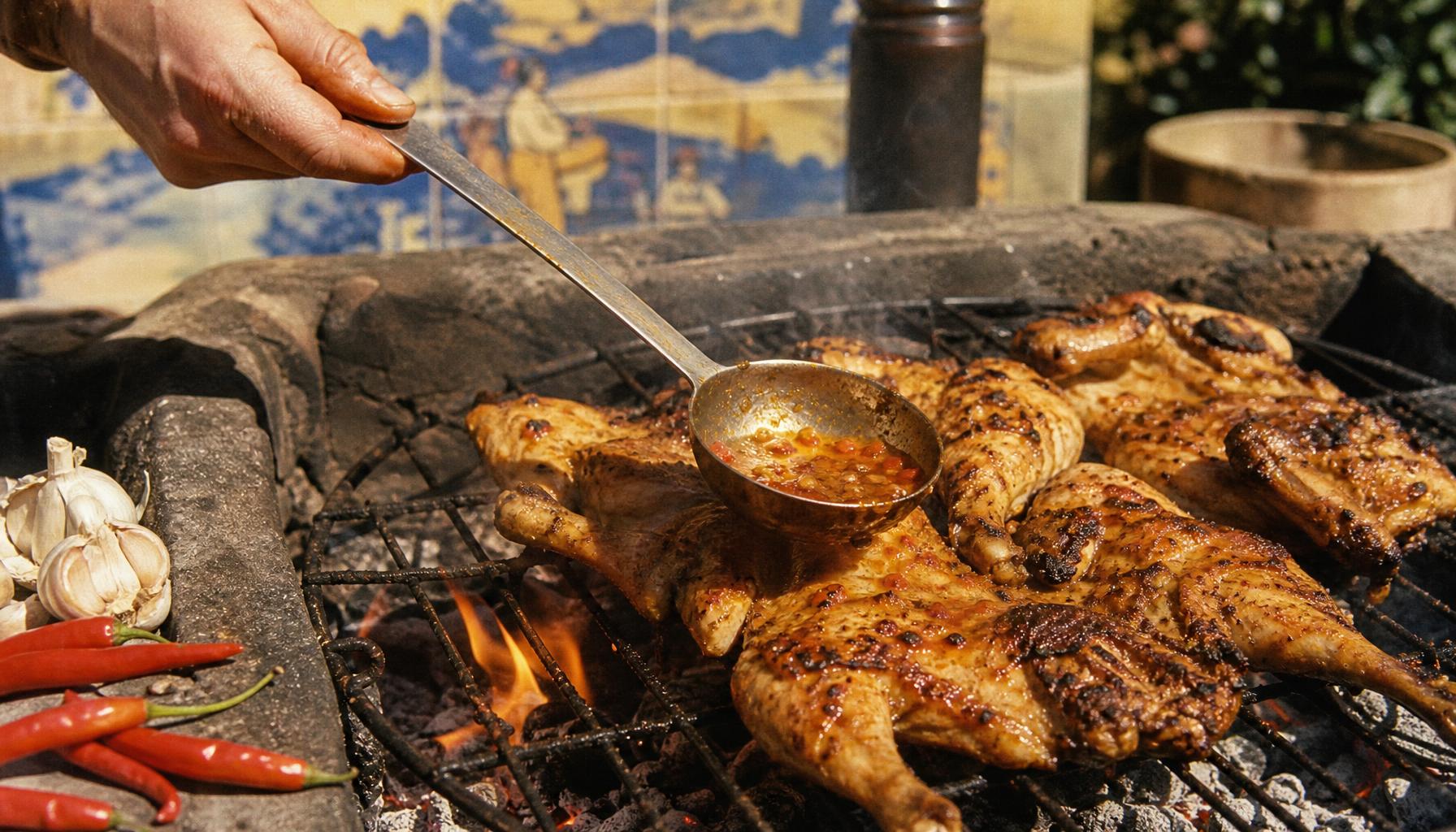
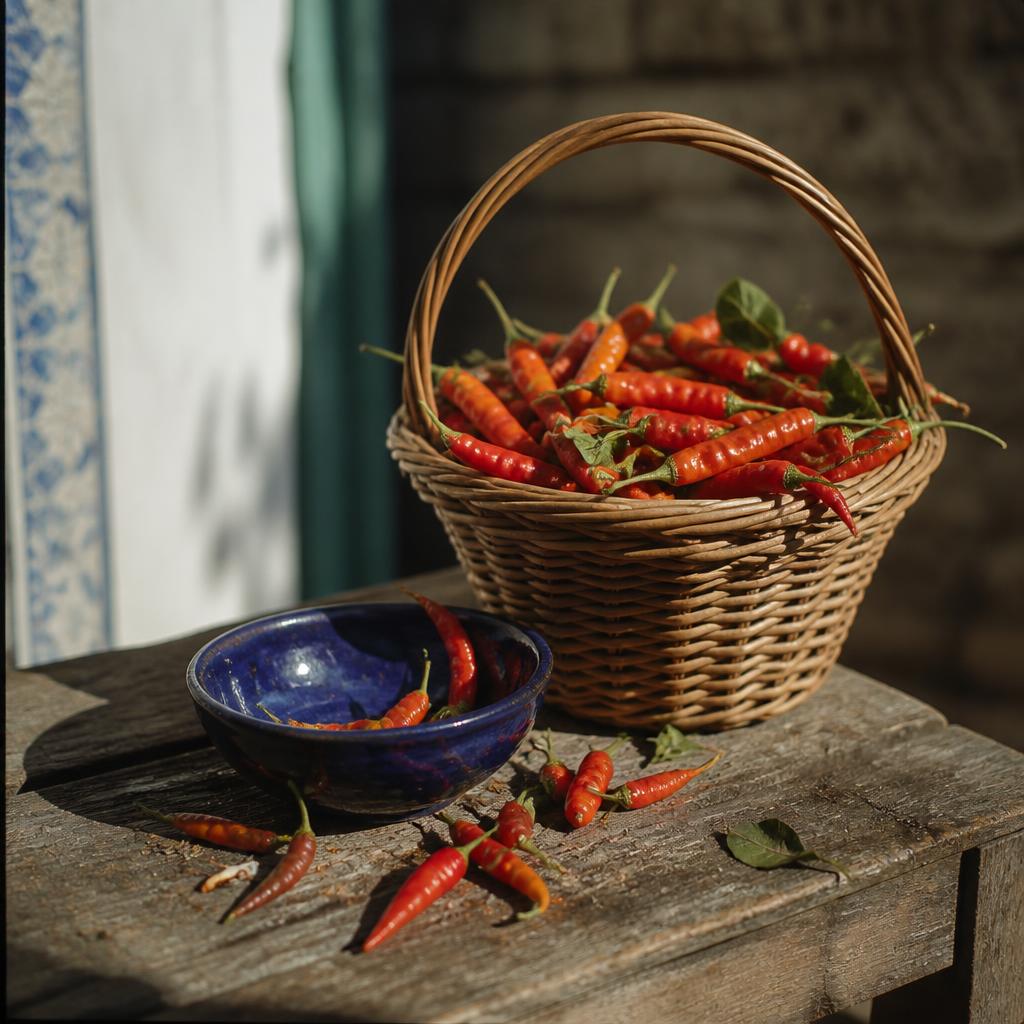
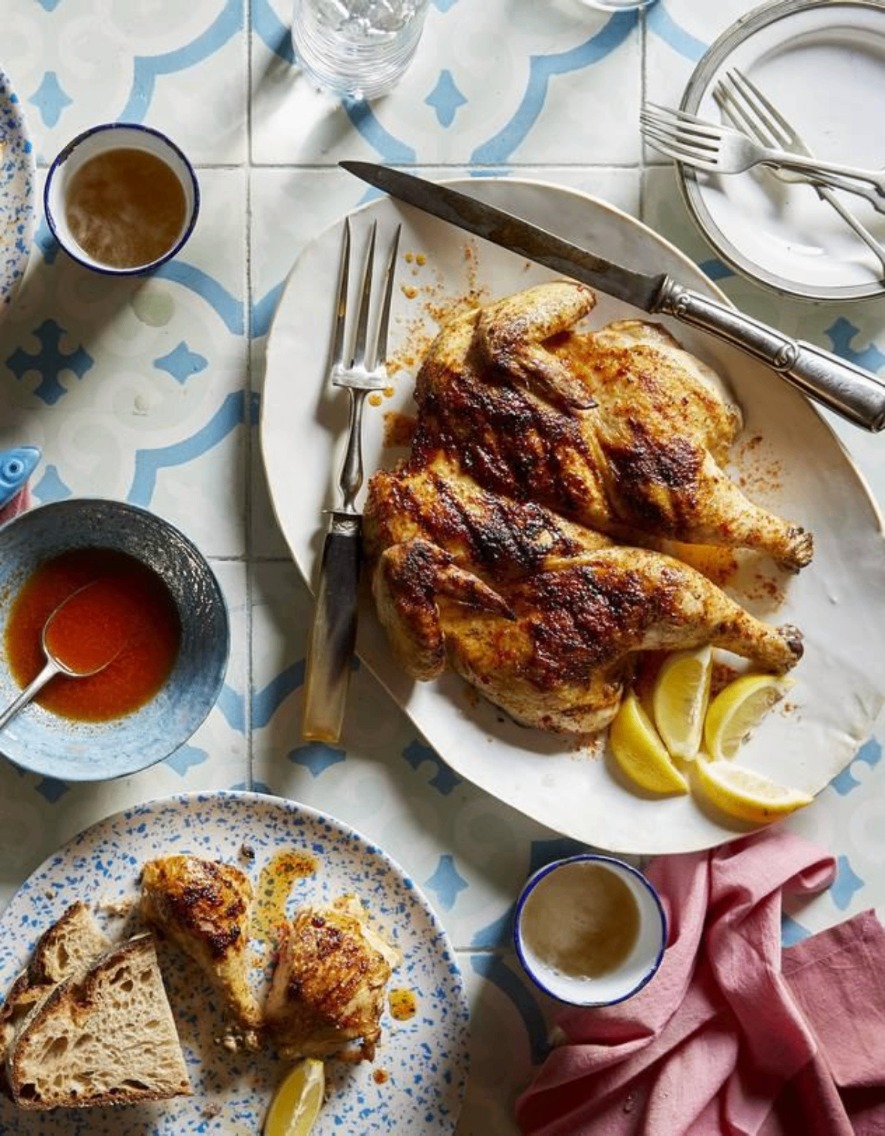
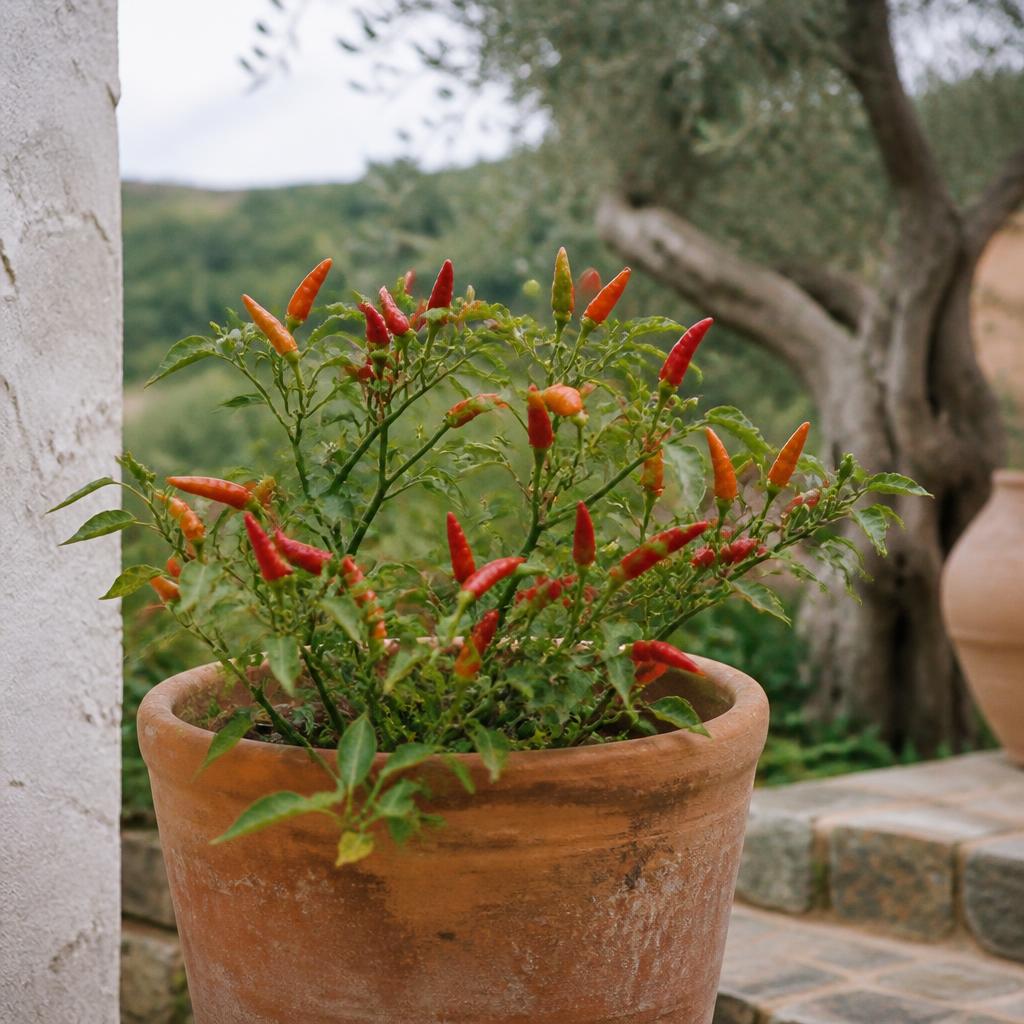
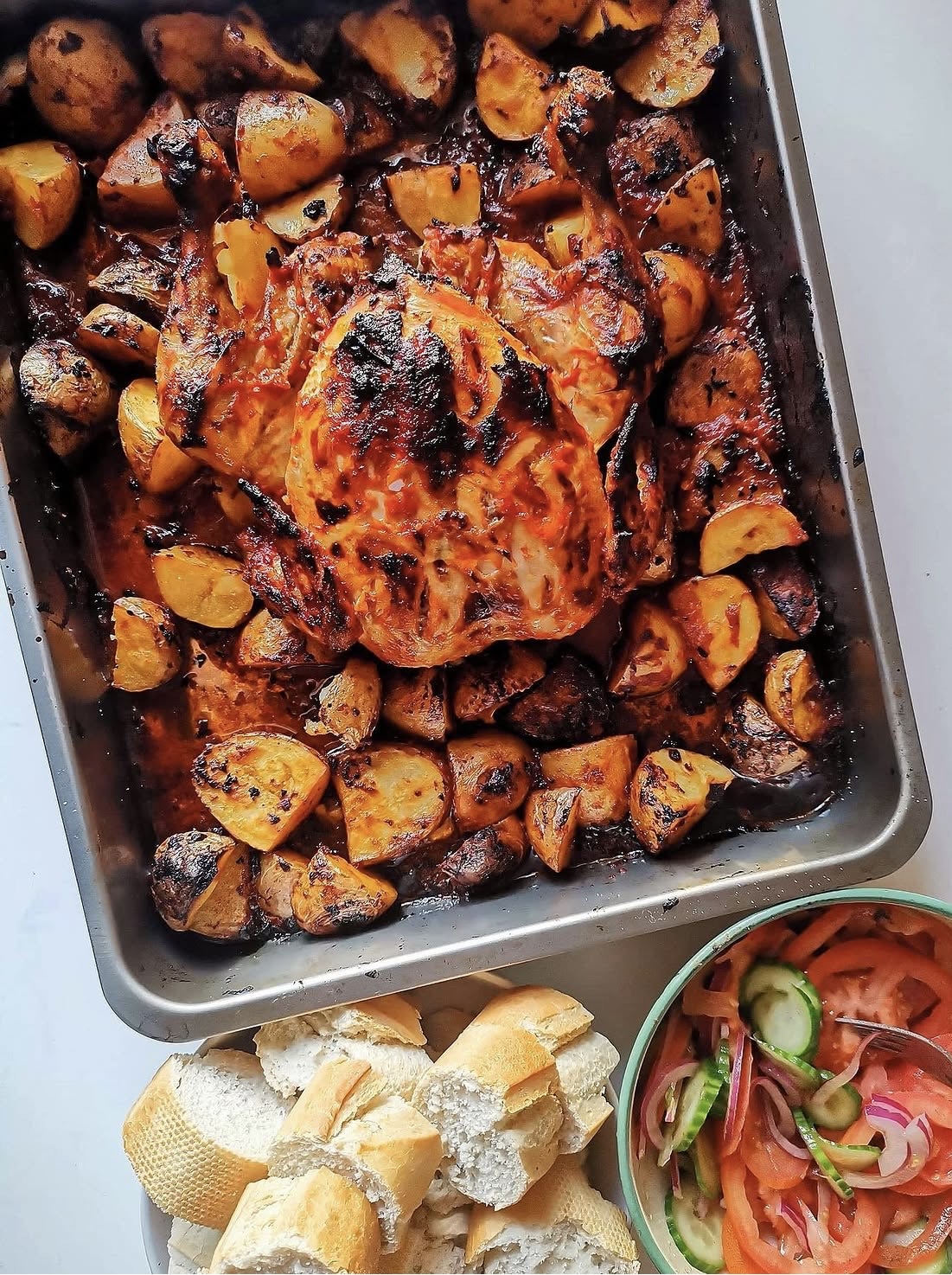
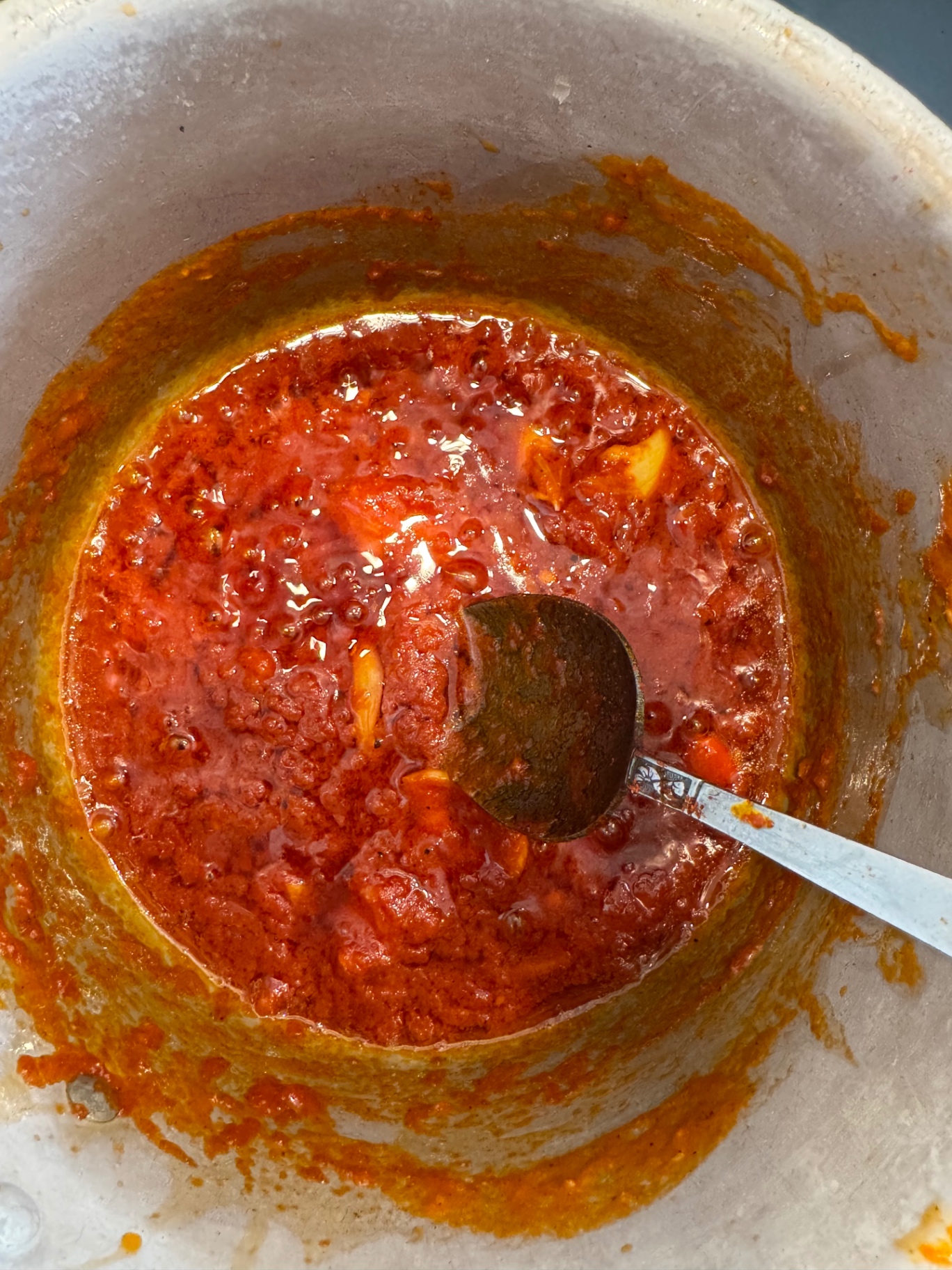
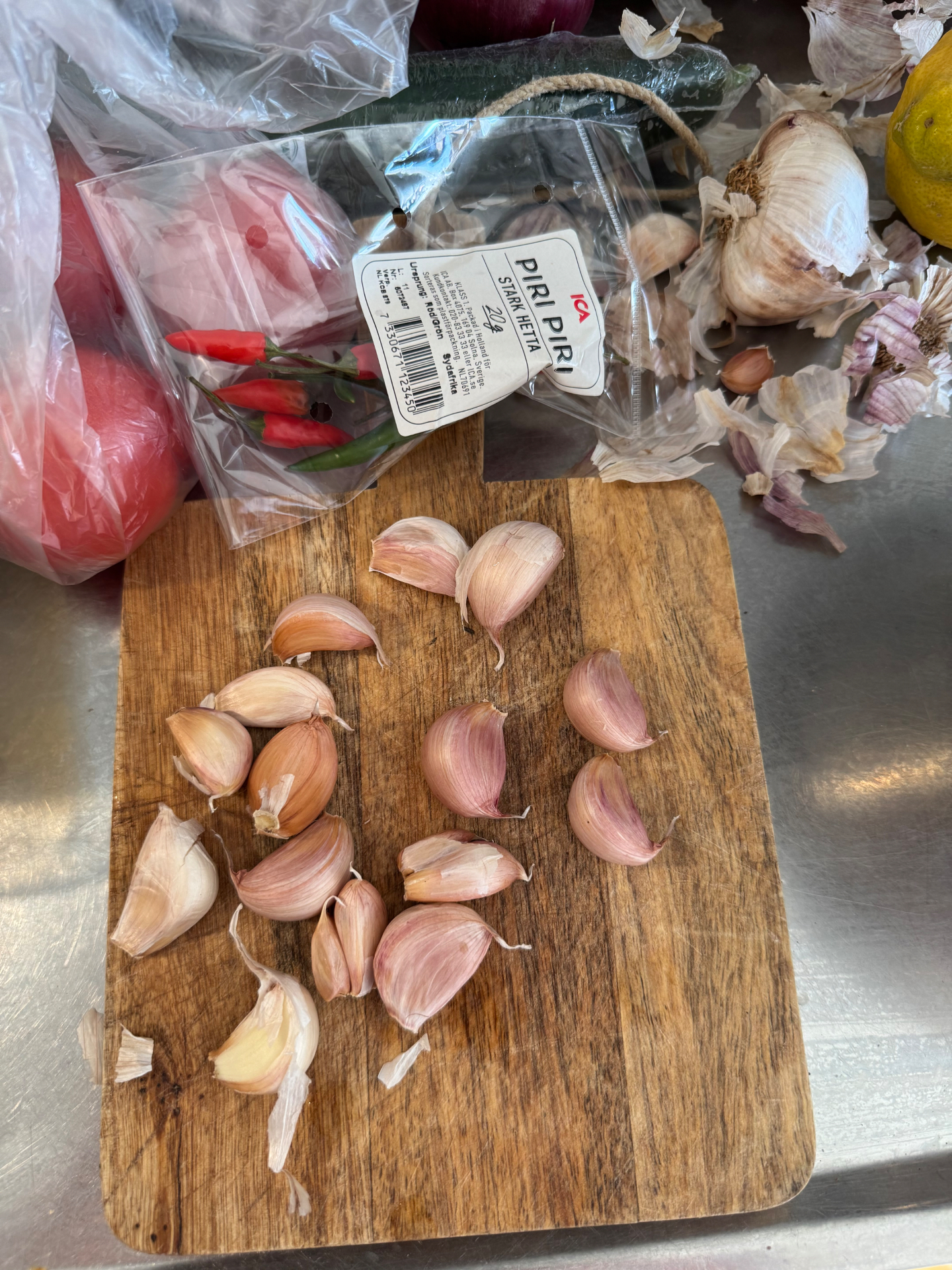
Piri-piri (bird's eye) är en sydamerikansk chili som portugisiska sjöfarare tog till Afrika på 1500-talet. I Moçambique kallades den "pili pili" — och när recepten seglade tillbaka till Algarve blev frango piri-piri en portugisisk nationalrätt.
Sardinkonserver
1800-tal · Atlantkusten
Fisken som blev en portugisisk exportikon
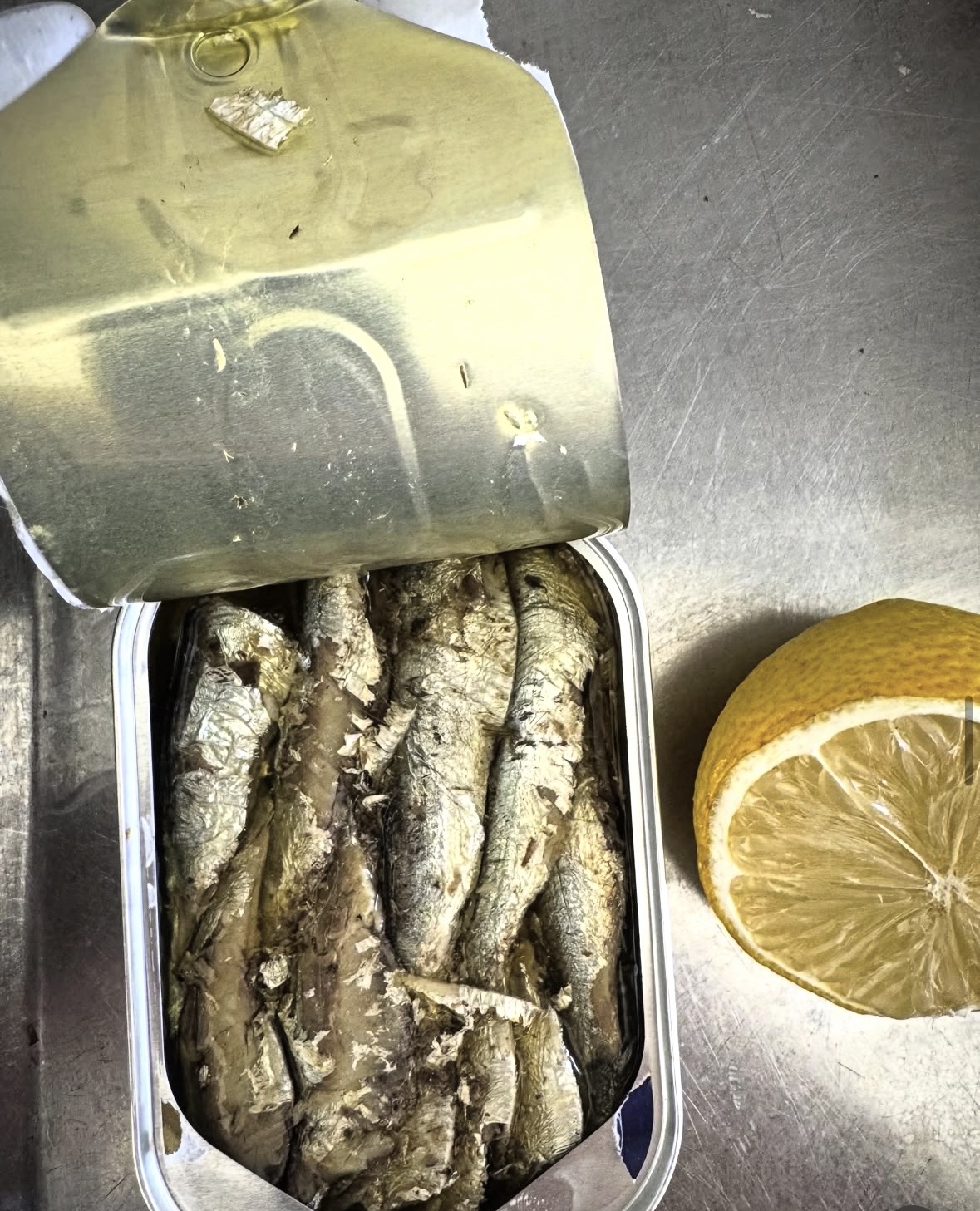
Portugals sardinkonserver har sina rötter i 1800-talet, då moderna konserveringsmetoder gjorde det möjligt att bevara fisk länge. Tack vare stora sardinfångster längs Atlantkusten växte många konserverfabriker fram. I dag är de en symbol för portugisisk matkultur — särskilt i Lissabon där sardiner firas under sommarens folkfester.
Vitlök · Alho
Fenicier · 800 f.Kr.
Doften av ett portugisiskt kök
Vitlöken kom till Iberiska halvön med fenicierna, långt före romarna. Tre klyftor krossade i olivolja är startpunkten för allt från caldeirada till bifana. Ett gammalt talesätt: "alho, azeite e louro".
Olivolja · Azeite
Romarriket · 200 e.Kr.
Träd som pressat guld i tusen år
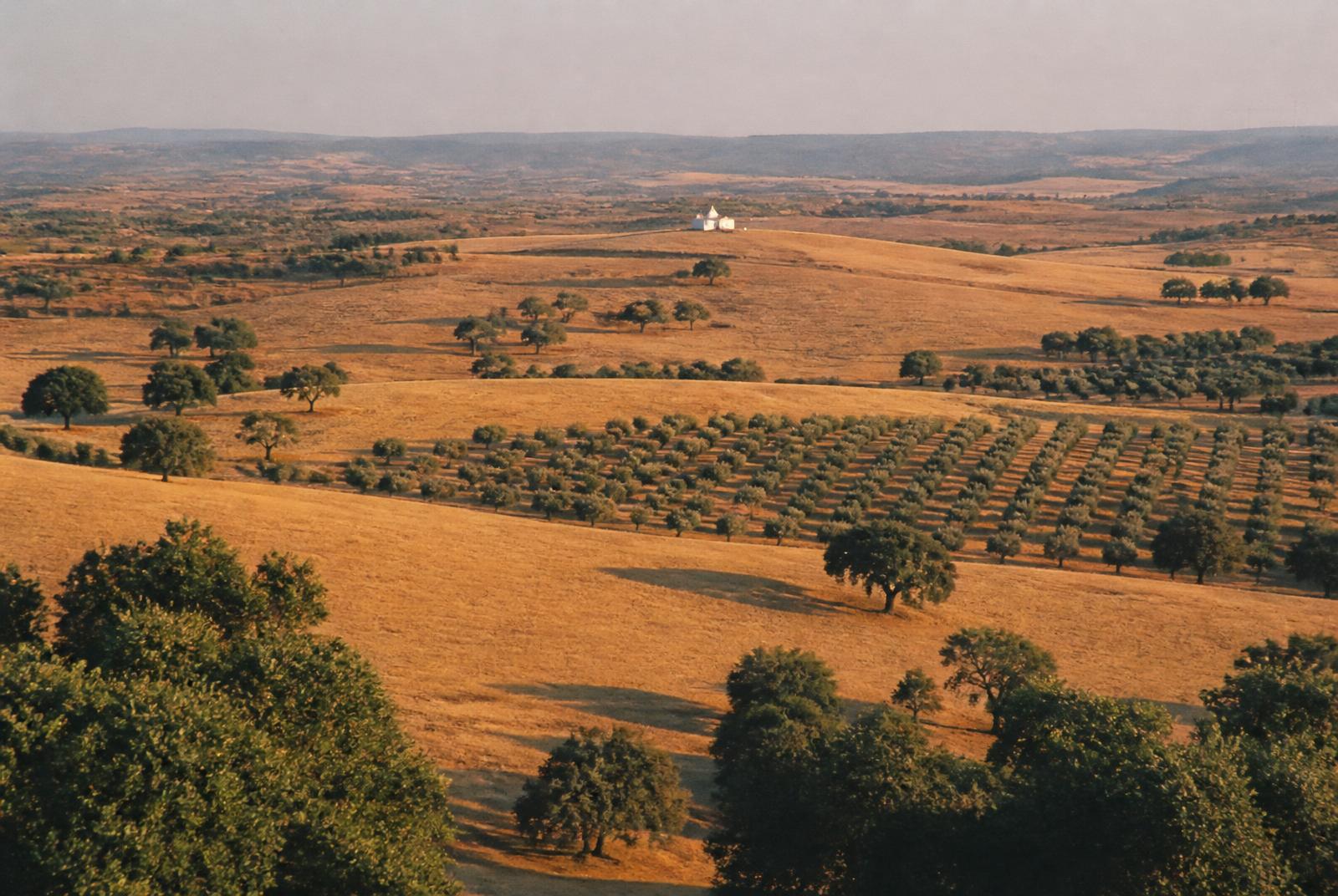
Vissa olivlundar i Alentejo har träd som är över 2000 år gamla — planterade under romartiden och fortfarande i produktion. Sorterna galega, cobrançosa och cordovil ger oljor med peppar, gräs och grön mandel.
Bacalhau
1400-tal · Nordatlanten
365 recept, en för varje dag på året
Portugal fiskar ingen egen torsk — men äter mest i världen. Saltad, torkad torsk höll i månader under Atlantexpeditionerna. Sägen säger att det finns ett recept för varje dag på året.
Pastéis de Nata
1837 · Belém, Lissabon
Munkarnas hemlighet från Jerónimos
Efter revolutionen 1834 stängdes klostren. Munkarna vid Jerónimos sålde sitt recept på små vaniljtarteletter till ett närliggande sockerraffinaderi — och det bakas fortfarande i samma bageri: Pastéis de Belém.
Flor de Sal
Fenicier · Ria Formosa
Havets blomma från Algarves saliner
I Ria Formosa skördas flor de sal fortfarande för hand — sköra saltkristaller som bildas när Atlantens vatten avdunstar i sommarhettan. Ett kilo flor de sal kräver 20 kilo vanligt havssalt.
Ljuset över två länder
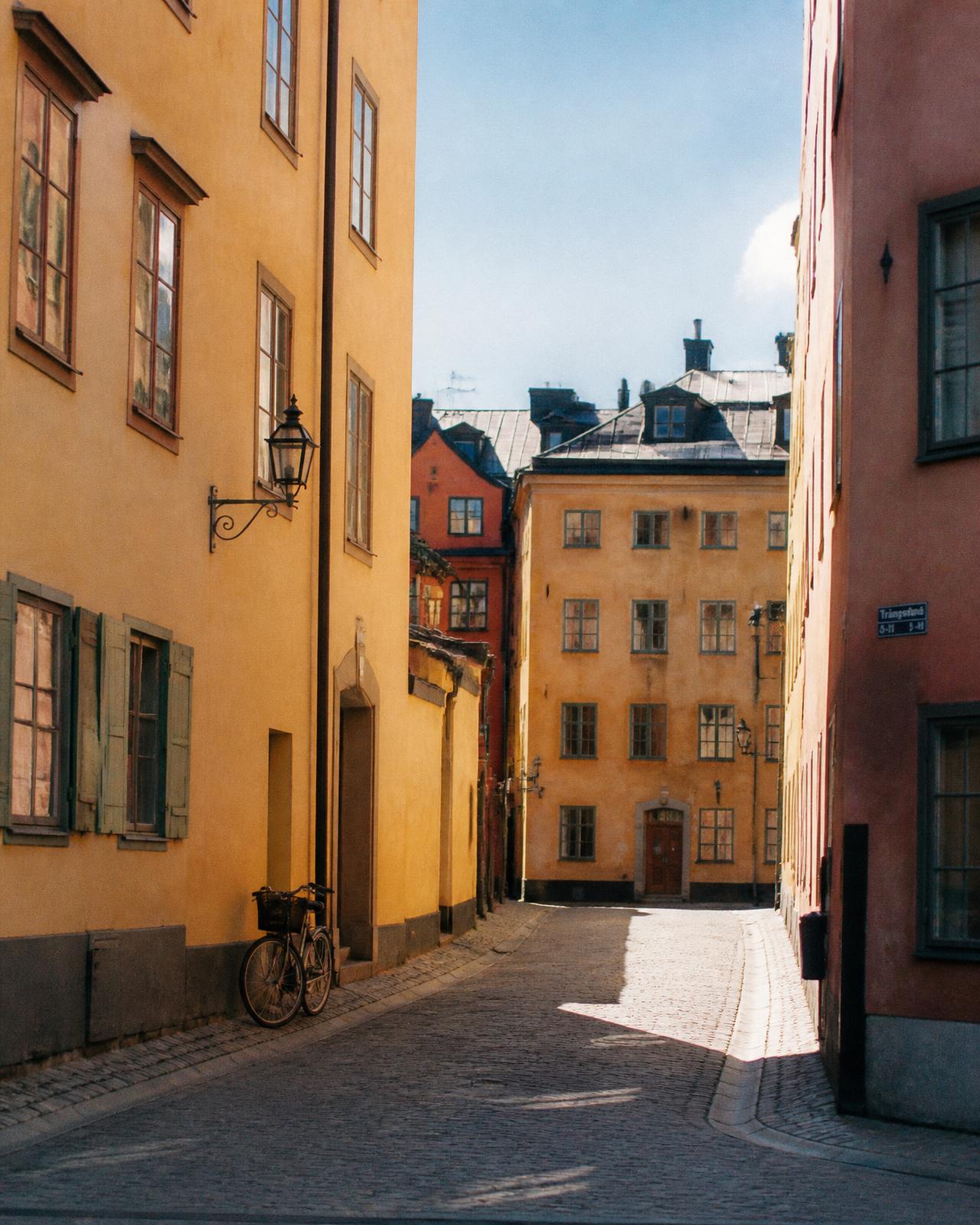
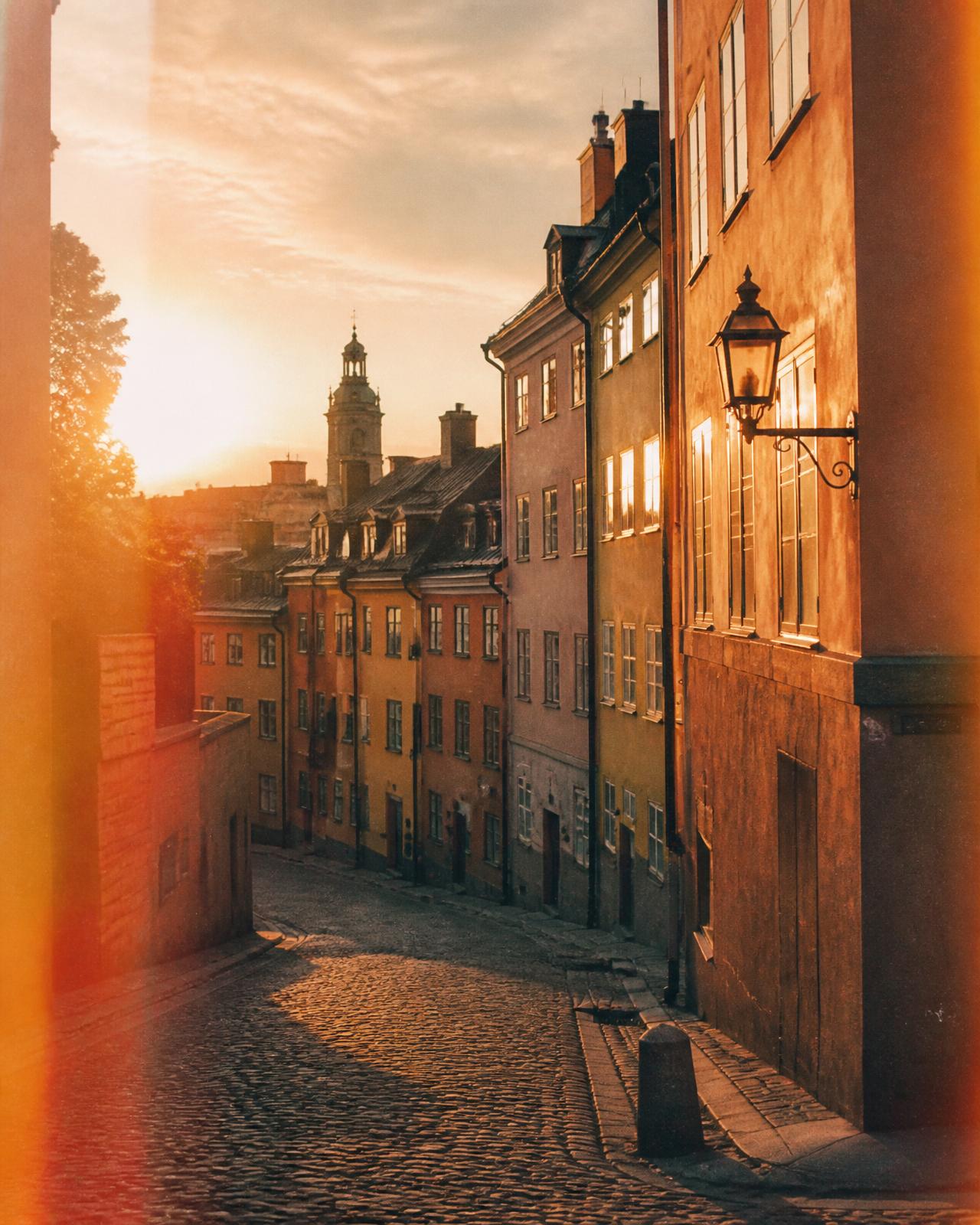
En stilla eftermiddag i Lissabons gränder, ett stockholmskt sommarljus på gatstenen. Två länder, samma gyllene timme.